Posts

Showing posts with the label best radiology in indore

Radiology: A Key Player in Accurate Diagnoses
Image
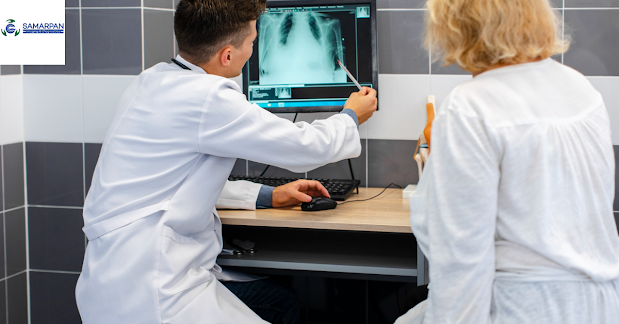
  In today’s fast-paced medical world, radiology plays a critical role in the early detection, accurate diagnosis, and effective treatment of a wide range of health conditions. From a simple X-ray to advanced MRI and CT scans, radiology has revolutionized the way doctors see inside the body without making a single incision. Radiology is not just about imaging—it's about interpreting those images with precision. Skilled radiologists help identify internal abnormalities such as tumors, fractures, organ damage, and infections, often before symptoms even appear. This early detection gives patients a better chance of recovery and enables healthcare providers to craft the most suitable treatment plans. When it comes to finding the best radiology in Indore , patients should look for centers that offer advanced imaging technology, experienced radiologists, and accurate, timely reporting. High-quality radiology services reduce the chances of misdiagnosis and provide the foundation for cor...

Understanding the Biopsy Process: A Comprehensive Tutorial

Image
  A biopsy is a crucial medical procedure that involves the extraction of tissue or cells from a patient’s body for examination. It is often used to diagnose various conditions, including infections, inflammations, and cancers. This tutorial aims to provide a comprehensive understanding of the biopsy process, its types, and its significance, particularly for those seeking biopsies in Indore and the services of the best pathology lab in Indore. What is a Biopsy? A biopsy is a diagnostic test performed by doctors to analyze abnormal tissue growth, unexplained infections, or chronic diseases. The extracted tissue sample is examined under a microscope to detect diseases and determine their severity. Types of Biopsies There are several types of biopsies, each suited to different medical conditions. Some of the most common types include: 1. Needle Biopsy This type involves using a thin needle to extract tissue or fluid. It is commonly used for detecting abnormalities in organs such as th...

A Step-by-Step Guide to Sonography Procedures

Image
  Sonography, also known as ultrasound imaging, is a widely used diagnostic technique that employs high-frequency sound waves to capture real-time images of the body's internal structures. This non-invasive and painless procedure helps medical professionals assess organs, tissues, and even unborn babies during pregnancy. If you are planning to undergo a sonography procedure, understanding the step-by-step process can help alleviate any anxiety and ensure a smooth experience. Step 1: Finding the Right Sonography Centre The first and foremost step in getting a sonography done is choosing a reputed and well-equipped diagnostic center. If you are looking for the best sonography, ensure that the facility has advanced equipment, experienced radiologists, and follows strict hygiene protocols. A good sonography center provides accurate and detailed imaging, which is crucial for proper diagnosis. Step 2: Preparing for the Procedure Preparation for a sonography procedure depends on the type ...

Radiology in Disease Diagnosis and Monitoring

Image
  Radiology is a cornerstone of modern healthcare, enabling the accurate diagnosis and ongoing monitoring of various diseases. Through advanced imaging techniques, radiology allows medical professionals to visualize internal structures of the body, identify abnormalities, and track disease progression. From detecting early-stage cancers to managing chronic conditions, radiology plays a vital role in both diagnosing and guiding treatment decisions. Early Detection of Cancer Radiology has revolutionized the early detection of cancers, offering tools that can identify tumors before they become clinically apparent. Technologies such as mammography, CT scans, MRI, and PET scans are integral in detecting cancers at an early, more treatable stage. Mammography remains the standard for breast cancer screening, helping detect tumors that may not yet be palpable. Similarly, low-dose CT scans are widely used for lung cancer detection in individuals at high risk, such as long-term smokers. For ...